Scaling and Root Planing Treatment
Understanding gum disease is key to preserving long-term oral health. Also known as periodontal disease, it’s an infection that affects the tissues supporting your teeth. Poor oral hygiene often allows plaque—a sticky film of bacteria—to harden on the teeth, leading to inflammation and gum irritation. Early signs include swelling and bleeding gums, but if left untreated, gum disease can progress to periodontitis, causing damage to bone and soft tissue and eventually leading to tooth loss.
Scaling and root planing treatment is one of the most effective ways to stop the progression of gum disease. This deep cleaning procedure targets harmful plaque and tartar buildup below the gumline, restoring gum health and helping prevent further infection. For those seeking advanced alternatives, learn more about Laser Treatment for Gum Disease: Advanced Technology, Minimal Discomfort.
Importance of Oral Hygiene
Consistent oral hygiene is vital for maintaining the results of scaling and root planing treatment. The procedure removes deep-seated plaque and tartar, but long-term success depends on regular brushing, flossing, and professional cleanings. Practicing good oral hygiene helps prevent bacteria from recolonizing under the gums, reducing the chances of future gum inflammation.
Healthy gums provide the foundation for a healthy smile. Neglecting daily care can undo treatment progress, leading to more complex dental issues. For ongoing support and expert care, explore our Gum Care Services in Wilmette, where our team focuses on preventive solutions and personalized gum health management.
What Is Scaling and Root Planing?
Scaling and root planing treatment is a non-surgical, deep-cleaning procedure designed to treat and manage gum disease. It involves removing hardened plaque (tartar) and bacteria from below the gumline, reducing inflammation and stopping the disease from worsening. The process also smooths out the root surfaces, making it easier for the gums to reattach and heal naturally. This essential treatment helps restore gum health and improve overall oral hygiene.
Benefits of Deep Cleaning
Scaling and root planing, commonly referred to as deep cleaning, offers multiple oral health benefits:
- Eliminates plaque and tartar buildup beneath the gums
- Reduces gum inflammation and bleeding
- Prevents gum disease from advancing to more severe stages
- Helps maintain firm, healthy gums and prevent tooth loss
- Promotes fresher breath and a cleaner, healthier smile
If you’re looking for professional periodontal care, visit Wilmette Implant & Aesthetic Dentistry, your trusted Wilmette Dentist, for comprehensive gum treatment options focused on long-term health.
Procedure Overview
The scaling and root planing procedure consists of two essential steps:
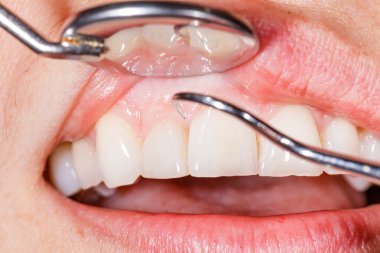
- Scaling: The dentist removes plaque and tartar from the tooth surface and beneath the gumline using specialized instruments.
- Root Planing: The roots of the teeth are smoothed to help the gums reattach and heal properly.
This non-surgical treatment helps control bacterial growth and promotes gum recovery. By addressing plaque at its source, scaling and root planing play a key role in restoring gum health and preventing periodontal disease from progressing.
Potential Risks and Complications
While scaling and root planing treatment is generally safe and effective, it can sometimes lead to minor side effects. Patients may experience temporary tooth sensitivity or mild gum tenderness after the procedure. In some cases, slight gum recession may occur as inflammation subsides. Rarely, infection or prolonged bleeding may develop, though these complications are uncommon when proper aftercare instructions are followed.
Recovery and Aftercare
Following scaling and root planing, it’s normal to experience slight gum soreness or sensitivity as healing begins. Some mild bleeding or swelling may occur for a short period. Maintaining a clean mouth is essential during this stage—brush gently, floss daily, and rinse with an antibacterial mouthwash as directed. Regular follow-up visits allow your dentist to track healing progress and ensure the gums are reattaching properly.
Frequency of Treatment
The frequency of scaling and root planing treatments depends on your oral health condition. Patients with advanced gum disease may need deep cleaning sessions every few months, while others may only require it once or twice a year. Routine checkups help determine the right maintenance schedule to keep plaque under control and preserve gum health long-term.
Long-Term Oral Health Maintenance
Consistent care after scaling and root planing treatment ensures lasting results. Regular professional cleanings, daily brushing, and flossing prevent the recurrence of plaque buildup. This proactive approach not only maintains healthy gums but also reduces the risk of more serious dental complications in the future. Early intervention and consistent maintenance are the best ways to protect your gums and preserve your natural smile.
Conclusion
Protect your gums and restore your oral health with scaling and root planing treatment.
Call us today at (847) 251-9000 or check out what patients are saying about us on Google Maps.