Dental Sealants vs Fillings
When it comes to protecting your teeth from decay, the debate of dental sealants vs fillings often comes up. Dental sealants are a thin, protective coating applied to the chewing surfaces of the back teeth—mainly molars and premolars. Their role is to act as a shield, keeping plaque and acids from damaging the enamel and forming cavities. Because these back teeth have deep grooves that are hard to clean, sealants are especially helpful in preventing decay. To explore this preventive treatment in more detail, visit Dental Sealants Near Me: Protective Shield for Hard-to-Reach Molars.
Although both dental sealants and fillings support oral health, they do so in different ways. Sealants are proactive—they’re applied to prevent decay before it starts. Fillings, on the other hand, are reactive—they restore a tooth that has already developed a cavity. Applying a sealant is simple: the tooth is cleaned, a bonding agent is placed, and the sealant is painted on and hardened to create a durable barrier. This easy, preventive step can go a long way toward keeping your teeth healthy.
Definition of Dental Fillings
Dental fillings are restorative treatments that rebuild a tooth’s structure after it has been damaged by decay or trauma. When a cavity forms, the dentist removes the decayed area and fills the space with a durable material to stop further damage and restore function. This helps maintain the tooth’s natural strength and appearance.
When comparing dental sealants vs fillings, remember that fillings repair what’s already been damaged, while sealants are used to prevent decay from occurring in the first place. To learn more about expert sealant applications, visit the Wilmette Dental Sealant Experts.
Purpose of Dental Sealants
The main goal of dental sealants is prevention. These thin coatings protect the back teeth—especially molars and premolars—from cavity-causing bacteria and food particles. Unlike fillings, which treat existing damage, sealants are applied to healthy teeth to keep them strong and cavity-free. When exploring dental sealants vs fillings, think of sealants as your first line of defense against decay.
Purpose of Dental Fillings
Dental fillings restore the structure and function of teeth that have been affected by cavities. A filling seals off the cavity, preventing bacteria from entering and stopping further decay. It also reinforces the tooth, allowing it to function normally for chewing and speaking. In the discussion of dental sealants vs fillings, fillings are the go-to solution when decay has already developed. To learn more about comprehensive dental care, visit Wilmette Implant & Aesthetic Dentistry, your trusted Wilmette Dentist.
Application Process Differences
Understanding the application process helps clarify the dental sealants vs fillings comparison. Sealants are applied quickly and painlessly—a liquid resin is brushed onto the tooth surface, where it hardens to form a protective coat. No drilling or anesthesia is needed. Fillings, however, require removing the decayed tooth structure first, then filling the cavity with a suitable material. This restorative procedure can be slightly more involved and may require local anesthesia for comfort.
Material Composition Comparison
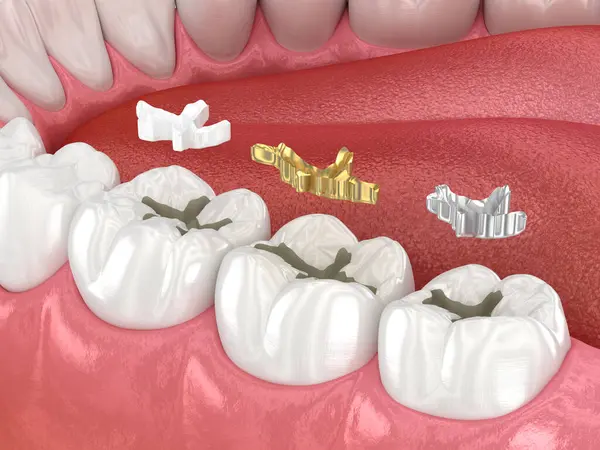
The materials used for dental sealants vs fillings are quite different. Sealants are typically made from plastic resins that bond to the tooth surface, creating a smooth, protective layer that blocks bacteria and acids. Fillings, in contrast, can be made from amalgam, composite resin, or ceramic—materials chosen to restore a tooth’s strength, shape, and appearance. The best option depends on the patient’s needs and the extent of tooth damage.
Longevity and Durability
Durability plays a key role when comparing dental sealants vs fillings. Sealants can protect molars for several years before reapplication may be needed, especially with good oral hygiene. Fillings are designed to last even longer and endure daily chewing forces, though their lifespan varies by material and maintenance. Both treatments can effectively protect your teeth when properly cared for.
Cost Considerations
From a cost standpoint, dental sealants vs fillings differ in purpose and price. Sealants are typically less expensive since they’re preventive treatments that help you avoid decay before it starts. Fillings are more complex and thus costlier because they involve repairing damage and using durable materials. Considering both the short-term cost and long-term benefits can help you decide which option best supports your oral health.
Suitability for Different Ages
When evaluating dental sealants vs fillings, age can also influence the best choice. Sealants are commonly applied to children and teens, whose newly erupted molars are more susceptible to decay. They can also benefit adults who have deep grooves in their teeth. Fillings, however, are suitable for patients of all ages who already have cavities that need repair. Each treatment serves a distinct purpose depending on your dental health and age.
Conclusion
Understanding the key differences between dental sealants vs fillings can help you make informed decisions about your oral care. Both play valuable roles in maintaining healthy teeth—one preventing damage, the other restoring what’s lost.
For more details, call us at (847) 251-9000 or check out our Google Maps reviews.