Partial Dentures for Missing Teeth
Understanding Partial Dentures Basics
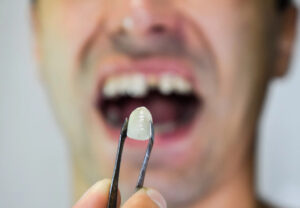
Partial dentures for missing teeth are a practical solution designed to replace one or more missing teeth, providing both functional and aesthetic benefits. These dental appliances are custom-made to fit comfortably in the mouth, filling the gaps left by missing teeth and helping to restore a natural-looking smile. They are typically made from a combination of metal and acrylic materials, ensuring durability while maintaining a lightweight feel. By wearing partial dentures, individuals can enjoy improved speech and chewing capabilities, enhancing their overall quality of life.
The design of partial dentures for missing teeth allows them to blend seamlessly with existing teeth, offering a discreet option for those seeking to maintain their natural appearance. The process involves taking precise measurements and impressions of the mouth to ensure a perfect fit. This attention to detail helps in creating dentures that not only look realistic but also feel comfortable when worn. For more information on achieving a natural look with dentures, explore our guide on Dentures with Natural Appearance: Realistic Smiles That Feel Authentic.
Types of Partial Dentures
Partial dentures for missing teeth come in various types, each designed to cater to different needs and preferences. One common type is the cast metal partial denture, known for its durability and strength. These dentures have a metal framework that supports the replacement teeth, providing a stable and long-lasting solution. Another popular option is the acrylic partial denture, which is often more affordable and can be easily adjusted. Acrylic dentures are typically used as a temporary solution or when fewer teeth need to be replaced.
Flexible partial dentures are another choice, offering a more comfortable fit due to their flexible base that adapts to the natural contours of the mouth. These dentures are made from a lightweight material that blends seamlessly with the gums, providing a natural appearance. Each type of partial denture has its unique benefits, making it essential to choose the one that best suits individual needs. For those seeking more information on options available, consider exploring Quality Dentures Near Wilmette for further insights.
Benefits of Partial Dentures
Partial dentures for missing teeth offer a practical solution to restore both function and aesthetics. They help maintain the alignment of remaining teeth, preventing them from shifting into the gaps left by missing teeth. This not only preserves your natural bite but also contributes to overall oral health. Additionally, partial dentures can enhance your smile, boosting confidence and improving speech clarity. With their ability to blend seamlessly with natural teeth, they provide a comfortable and stylish way to fill the gaps, allowing you to enjoy a more complete and satisfying lifestyle.
Materials Used in Partial Dentures
Partial dentures for missing teeth are crafted using a variety of materials to ensure durability, comfort, and a natural appearance. Commonly, these dentures incorporate acrylic resin, which is lightweight and can be easily molded to fit the contours of the mouth. Metal alloys, such as cobalt-chromium, are often used for the framework due to their strength and resistance to corrosion. Additionally, flexible nylon materials are sometimes utilized for their ability to blend seamlessly with the natural gum line. Each material plays a crucial role in the functionality and aesthetics of partial dentures, providing a reliable solution for those seeking to fill gaps with style and ease. For more information on dental solutions, visit Wilmette Implant & Aesthetic Dentistry, your trusted Wilmette Dentist.
How Partial Dentures Work
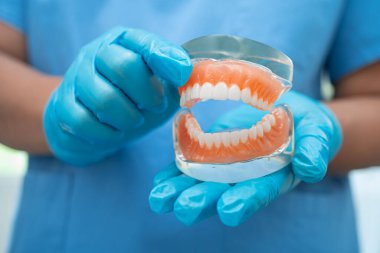
Partial dentures are removable dental appliances designed to replace one or more missing teeth, seamlessly filling the gaps in your smile. They consist of artificial teeth attached to a gum-colored base, which is custom-fitted to your mouth. The dentures are held in place by metal clasps or precision attachments that connect to your natural teeth, ensuring stability and comfort. By restoring the function and appearance of your teeth, partial dentures help maintain proper alignment and prevent remaining teeth from shifting out of position.
Caring for Partial Dentures
Caring for partial dentures for missing teeth is essential to maintain their functionality and appearance. Regular cleaning helps prevent plaque buildup and ensures that the dentures remain comfortable to wear. It’s important to handle them with care to avoid any damage, as they are designed to fit precisely and provide a natural look. Proper storage when not in use also plays a crucial role in preserving their condition. By maintaining good hygiene practices, partial dentures for missing teeth can continue to offer a reliable solution for those looking to fill gaps with style and ease.
Common Challenges with Partial Dentures
Partial dentures for missing teeth can present several challenges for wearers. One common issue is the initial discomfort and adjustment period, as the mouth adapts to the new appliance. Some individuals may experience difficulty in speaking or eating, as the dentures can shift or cause irritation. Additionally, maintaining proper oral hygiene can be more complex, as food particles may become trapped around the dentures, leading to potential oral health concerns. Despite these challenges, many find that partial dentures for missing teeth offer a practical solution to restore functionality and aesthetics.
Comparing Partial and Full Dentures
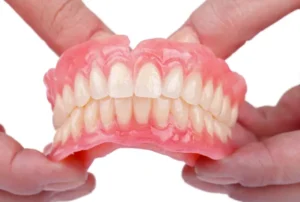
When considering options for replacing missing teeth, it’s important to understand the differences between partial dentures for missing teeth and full dentures. Partial dentures are designed to fill in the gaps left by one or more missing teeth, providing a seamless blend with your natural teeth. They are typically used when some natural teeth remain in the upper or lower jaw. In contrast, full dentures are used when all the teeth in a jaw are missing, offering a complete set of artificial teeth. Both options aim to restore functionality and aesthetics, but the choice between them depends on the specific dental needs and the number of teeth missing.
Future Trends in Denture Technology
The future of partial dentures for missing teeth is set to be revolutionized by advancements in technology, promising more comfort and functionality. Innovations such as 3D printing and digital scanning are paving the way for more precise and personalized fits, enhancing the overall user experience. Additionally, the integration of smart materials that adapt to the mouth’s environment could offer improved durability and comfort. As research continues, these technological strides are expected to make partial dentures for missing teeth more efficient and aesthetically pleasing, aligning with the evolving needs of users.
Conclusion
Discover the benefits of partial dentures for missing teeth and enhance your smile with confidence. For more information, call us at (847) 251-9000 or check out our Google Maps reviews.