Invisalign vs Braces: Which Is Better?
When considering orthodontic options, the treatment duration is a crucial factor in the decision-making process. Invisalign vs braces which is better often depends on how long each treatment takes to achieve the desired results. Generally, traditional braces may require a longer treatment period, often ranging from 18 months to 3 years, depending on the complexity of the case. In contrast, Invisalign can sometimes offer a shorter treatment duration, typically ranging from 12 to 18 months, although this can vary based on individual needs.
The choice between Invisalign and braces also involves considering lifestyle and personal preferences. While both options aim to correct dental alignment effectively, the time commitment can influence one’s decision. For those seeking a more discreet option with potentially shorter treatment times, exploring Invisalign for Adults: Discreet Orthodontics for a Confident Smile might provide additional insights into making an informed choice.
Aesthetic Differences
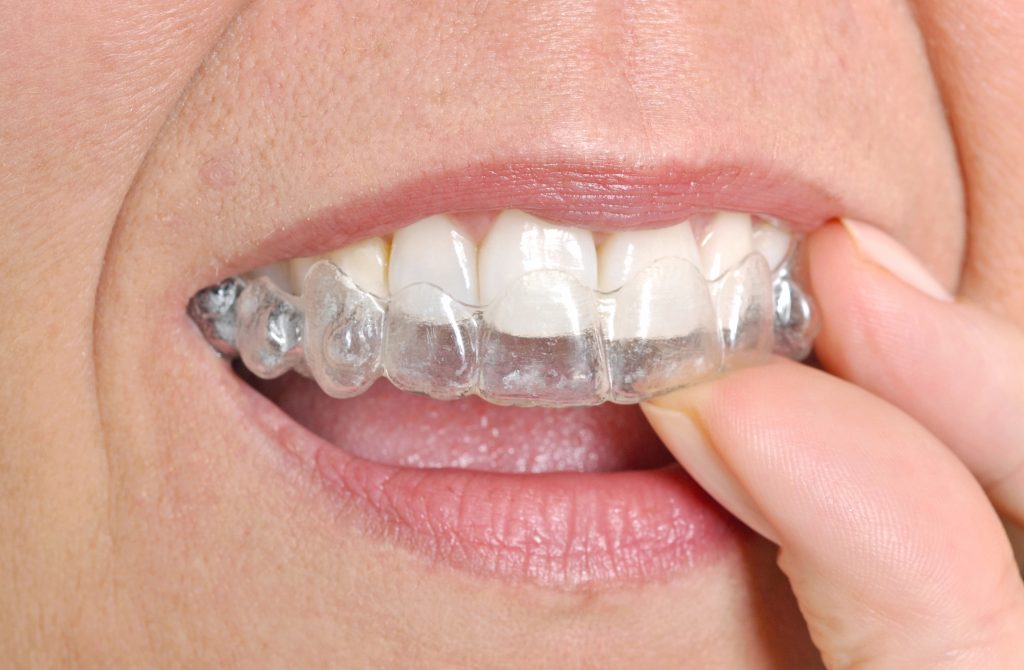
When considering the aesthetic differences in the debate of Invisalign vs braces which is better, it’s important to note how each option impacts one’s appearance. Traditional braces are often more noticeable due to their metal brackets and wires, which can be a concern for those who prioritize a discreet look. On the other hand, clear aligners are designed to be less visible, offering a more subtle approach to teeth straightening.
The choice between these orthodontic options often hinges on personal preference regarding visibility and comfort in social settings. For individuals seeking a less conspicuous treatment, clear aligners may be appealing due to their transparent nature. If you’re interested in exploring this option further, you can Get Invisalign in Wilmette to learn more about how it might fit your lifestyle.
Comfort Levels
When considering invisalign vs braces, which is better in terms of comfort levels can be a significant factor for many individuals. The experience of wearing orthodontic devices varies greatly, with some people finding one option more comfortable than the other. Factors such as the presence of metal components, potential irritation to the mouth, and the overall fit can influence personal comfort. Understanding these differences can help in evaluating the comfort levels associated with each orthodontic choice.
Maintenance and Cleaning
When considering Invisalign vs braces, which is better often depends on how much effort you’re willing to put into maintenance and cleaning. Both options require regular attention to ensure optimal oral hygiene and effectiveness. Aligners need to be cleaned frequently to prevent bacteria buildup, while traditional braces require diligent brushing and flossing around brackets and wires. Each method has its own set of challenges when it comes to keeping your teeth and orthodontic appliances clean. For more information on orthodontic care, visit Wilmette Implant & Aesthetic Dentistry, your trusted Wilmette Dentist.
Eating and Drinking Restrictions
When considering invisalign vs braces which is better, it’s important to understand the eating and drinking restrictions associated with each option. Traditional options often come with a list of foods to avoid, as certain items can damage or get stuck in the hardware. On the other hand, some alternatives allow for more dietary freedom, as they can be removed during meals. This difference can significantly impact daily routines and lifestyle choices, making it a crucial factor in the decision-making process.
Cost Considerations
When evaluating Invisalign vs braces, which is better, cost is a significant factor to consider. The expenses associated with each option can vary widely based on several factors, including the complexity of the dental issues being addressed and the duration of treatment. It’s important to understand that while some may perceive one option as more affordable initially, the overall cost-effectiveness can differ depending on individual circumstances and treatment needs. Comparing the financial implications of Invisalign vs braces, which is better, requires a thorough assessment of all potential costs involved in the orthodontic journey.
Effectiveness for Complex Cases
When considering the question of Invisalign vs braces, which is better for complex orthodontic cases, it’s important to understand that both options have their strengths. Traditional methods have been used for decades to address severe misalignments and bite issues, often providing reliable results for intricate dental corrections. On the other hand, advancements in clear aligner technology have expanded their capabilities, making them a viable option for more complicated cases. The choice between these two methods often depends on the specific dental challenges and the desired outcomes, as each approach offers unique benefits in addressing complex orthodontic needs.
Follow-Up Visits Frequency
When considering invisalign vs braces which is better, the frequency of follow-up visits is an important factor. Typically, the schedule for follow-up appointments can vary depending on the treatment plan and individual progress. Regular check-ins are essential to monitor the alignment process and make necessary adjustments. Understanding the commitment required for follow-up visits can help in evaluating which orthodontic option aligns best with personal schedules and lifestyle preferences.
Age Suitability
When considering the question of “Invisalign vs braces: which is better?” age suitability plays a crucial role in the decision-making process. Different orthodontic options may be more appropriate depending on the age group, as younger individuals might have different dental needs compared to adults. The choice between these options often depends on factors such as the stage of dental development and the specific orthodontic issues present. Understanding how age impacts the effectiveness and appropriateness of each option can help in evaluating which treatment aligns best with individual needs.
Conclusion
Deciding between Invisalign vs braces which is better can be challenging, so for personalized advice, call us at (847) 251-9000 or read our reviews on Google Maps.