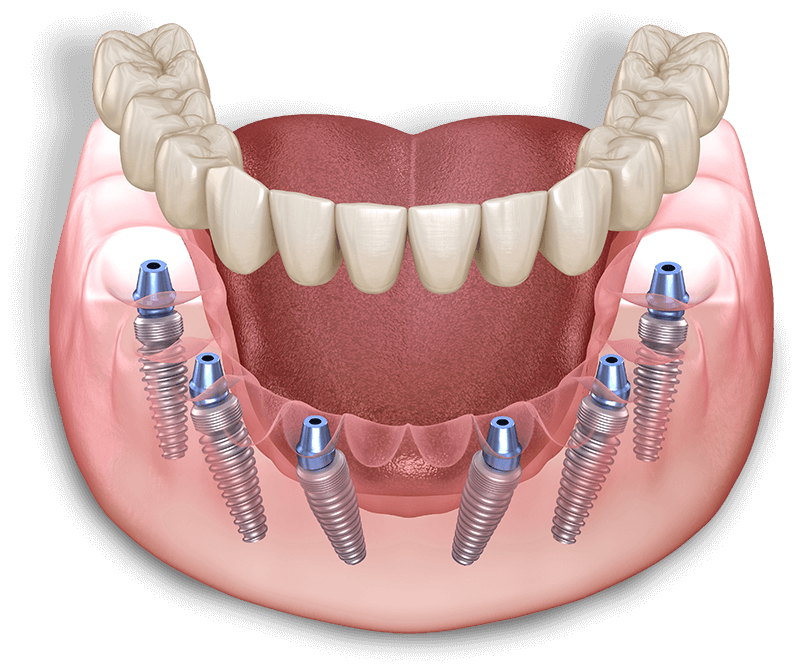
Whether you have a single missing tooth or many, ill-fitting dentures, or failing teeth, dental implants can deliver a life-changing solution.
Unlike some corporate implant centers where everyone is told they qualify for implants, we only recommend this advanced tooth replacement solution for patients who are ideal candidates. At Wilmette Implant & Aesthetic Dentistry, the first step in determining dental implant candidacy in Wilmette, IL, is an in-depth consultation with Dr. Craig S. Kohler.
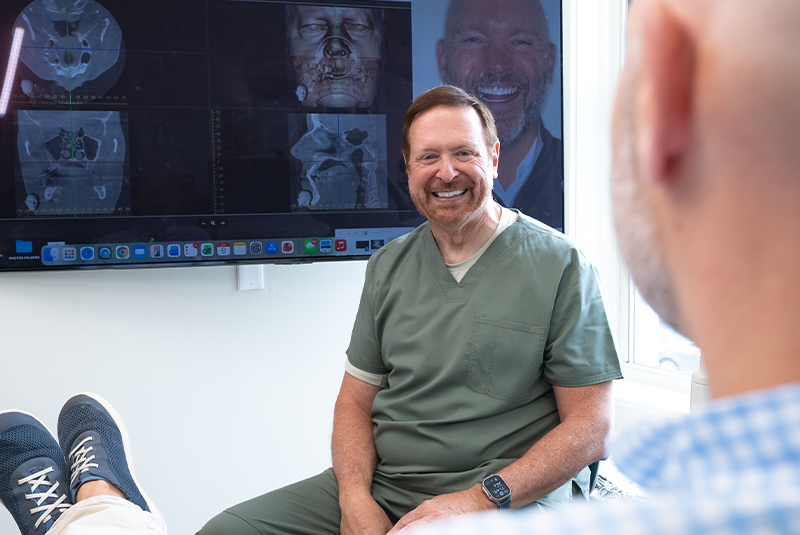
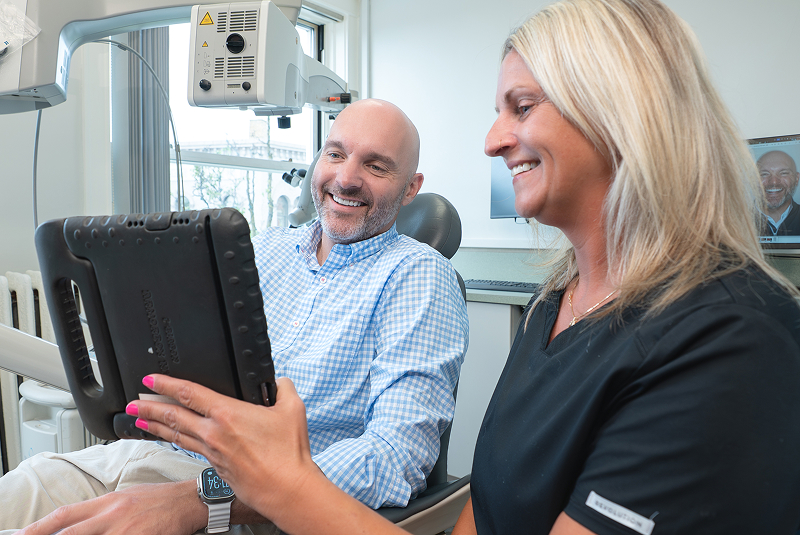
In short, dental implants require adequate bone density/volume, healthy gums, and a commitment to consistent proper oral hygiene. While Dr. Kohler can resolve the first two with bone grafting and/or gum disease treatment, following our presurgical and postsurgical guidelines is crucial for preventing complications.
If you’ve lost a tooth or have failing restorations, you may be wondering, “Am I a candidate for dental implants?” At Wilmette Implant & Aesthetic Dentistry, we can provide the answer with a thorough assessment of your oral health, systemic conditions, and/or harmful lifestyle habits. Although ongoing advancements in implant systems and treatment protocols have resulted in a current implant success rate of 95-98%, we need to analyze the following factors to determine the impact on dental implant candidacy.
Bone loss and dental implants are often intertwined, as up to 25% of the supporting alveolar bone is lost between 6 and 18 months after tooth extraction. In addition, if you have osteoporosis, this can impact the success of dental implant fusion with the jawbone, especially if you’ve been on long-term bisphosphonate therapy.
Smoking negatively impacts the fusion of dental implants with the jawbone by lowering blood flow, while harmful tobacco residues delay wound healing and hamper new cell growth. If you smoke, we recommend quitting before implant surgery and not resuming until after your implants have fully healed and fused with your jawbone.
Diabetes and some autoimmune disorders make it more difficult for your body to heal after surgery and increase the risk of postsurgical infection. Diabetes can also negatively impact the fusion process. If you have diabetes, eating a well-balanced diet, exercising, and taking regular medication for proper disease control can increase the chance of successful dental implant treatment.
Underlying medical conditions that require medications such as steroids or immune-system depressants can impair dental implant fusion with the jawbone. Corticosteroid therapy may reduce bone density and increase tissue frailty. Chemotherapy and radiation to the maxillofacial region can also negatively impact dental implant outcomes. To increase the likelihood of optimal results, it’s imperative to seek care from a team with the medical knowledge to adjust your treatment plan.
Peri-implantitis is an infectious, inflammatory condition that affects dental implants, just as gum disease destroys bone around natural tooth roots. Prevention includes treating gum disease and infection before dental implant surgery, as well as maintaining good oral hygiene after surgery. If you suffer from bruxism (tooth grinding/clenching), this can interfere with the healing and fusion process and may require a mouthguard.
Your implant journey begins with a comprehensive dental implant consultation in Wilmette, IL, including an exam, digital imaging, and a review of your medical history. This includes an evaluation of your bone and gum health, along with a discussion of your goals to determine whether dental implants are the right solution for your smile. Dr. Kohler will present different options and a customized treatment plan designed to ensure precise placement and long-term success.
Before surgery, you’ll receive personalized instructions to help you feel fully prepared and comfortable. Our team will guide you through medications, diet, and sedation options based on your unique needs. Our comfort-first approach helps create a relaxed, stress-free experience from start to finish.
After local anesthesia and sedation have taken effect, the dental implant is carefully placed in your jawbone using advanced techniques. Over the next several months, the implant will naturally integrate with your bone, creating a stable foundation for your restoration.
You can expect some mild swelling or discomfort after implant surgery, although most patients recover comfortably with proper aftercare. Our team will provide detailed instructions, including dietary, oral hygiene, and pain management recommendations. You’ll schedule periodic follow-up visits so Dr. Kohler can monitor your progress and ensure everything is healing as expected.
Once your implant has fully healed, your final custom restoration will be placed to complete your smile. Each crown, bridge, or full-mouth prosthesis is carefully crafted to match the color, shape, and appearance of your natural teeth. The result is a seamless, durable, functional, and beautifully natural-looking smile.
At Wilmette Implant & Aesthetic Dentistry, we’re dedicated to helping patients become ideal candidates for dental implants, only if we decide together that this is the best choice. This involves a comprehensive approach that focuses on optimizing your oral and systemic health and on your commitment to aftercare.
Although Dr. Kohler can restore a healthy implant foundation through preparatory procedures such as bone grafting and gum therapy, he’ll also discuss how lifestyle changes and improved overall health can help you achieve the best possible outcome.
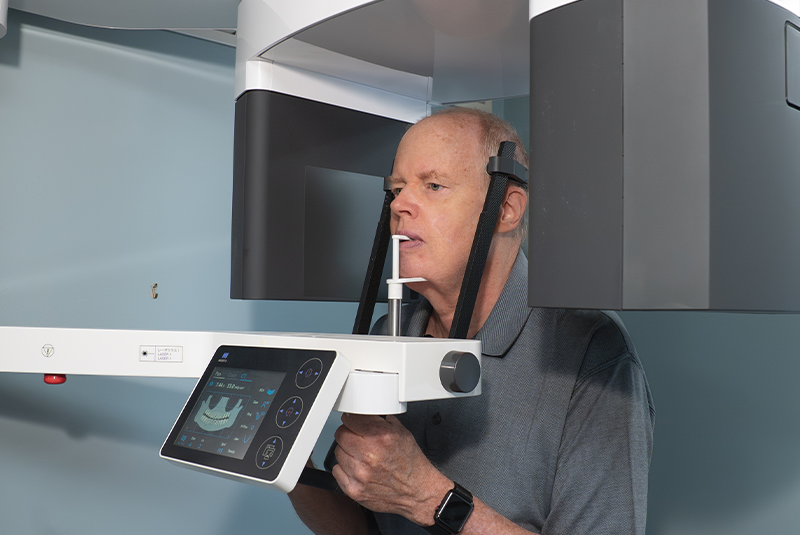
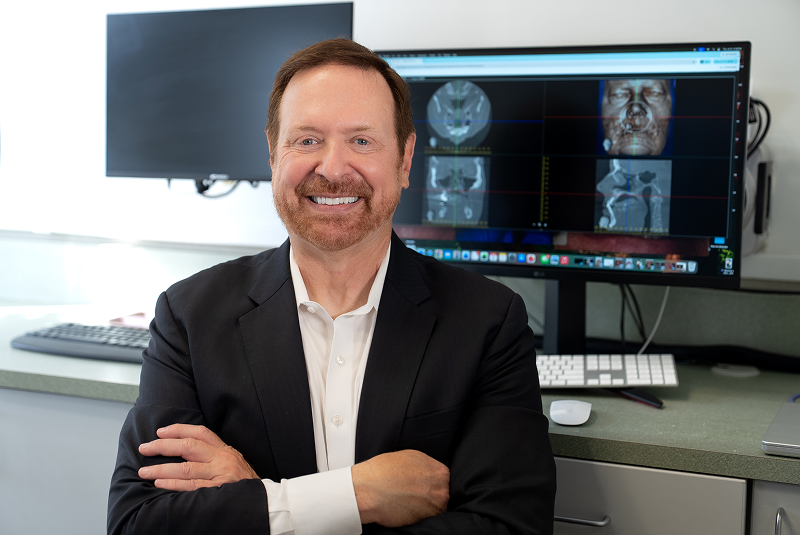
Dr. Kohler combines extensive implant experience with the precision of microscopy dentistry to deliver highly accurate, detail-focused care that minimizes risks and improves outcomes.
Using advanced imaging technology and modern surgical techniques ensures suitable implant candidates receive efficient, minimally invasive treatment. Every dental implant treatment plan includes a highly individualized approach and clear guidance for results that support long-term oral health and confidence!
I understand the information disclosed in this form may be subject to re-disclosure and may no longer be protected by HIPAA privacy regulations and the HITECH Act.